
Troubleshooting
Posting too much online can expose you to serious risks—from identity theft to cyberbullying. These 10 dangers of oversharing on social media highlight red flags that compromise your privacy and security, with actionable ways to protect yourself.
Identity Theft from Personal Details

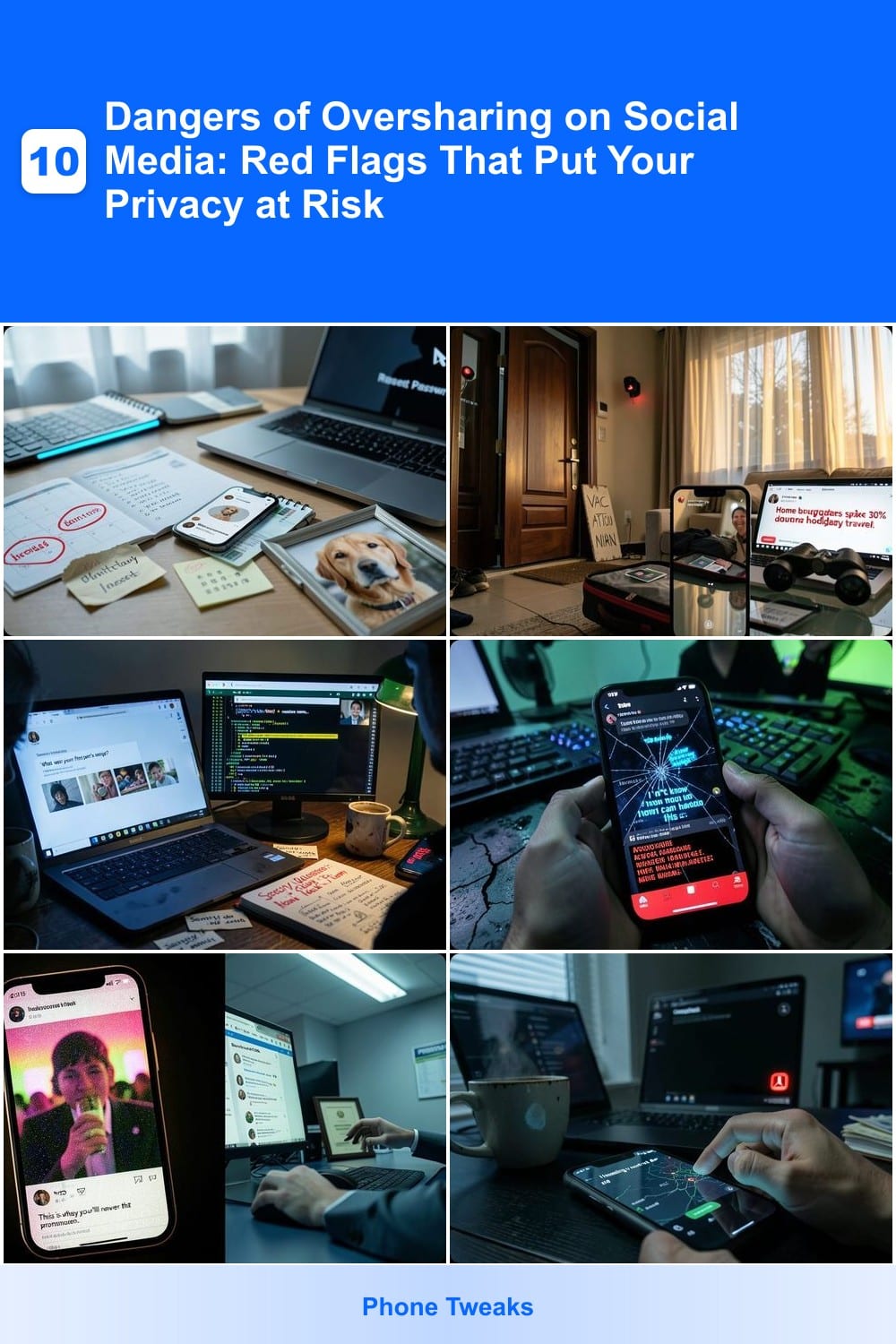
Your seemingly harmless posts—like sharing your birthday, address, or even your pet’s name—could be a goldmine for identity thieves. Scammers use this info to hijack accounts, open fraudulent credit lines, or file fake tax returns in your name, leaving you to clean up the mess.
Social media profiles often contain security question answers (e.g., "Where were you born?" or "What’s your mother’s maiden name?") that banks and services use for verification. A single post revealing your child’s school or anniversary date can unlock access to your accounts. Even "fun" quizzes (like "What was your first car?") harvest data for targeted phishing attacks.
This risk isn’t just for seniors—students, young professionals, and families are prime targets. Start by auditing your posts: remove dates, locations, and personal ties. Use strong, unique passwords and enable two-factor authentication to add an extra layer of defense. 💻
Location Tracking for Home Invasions
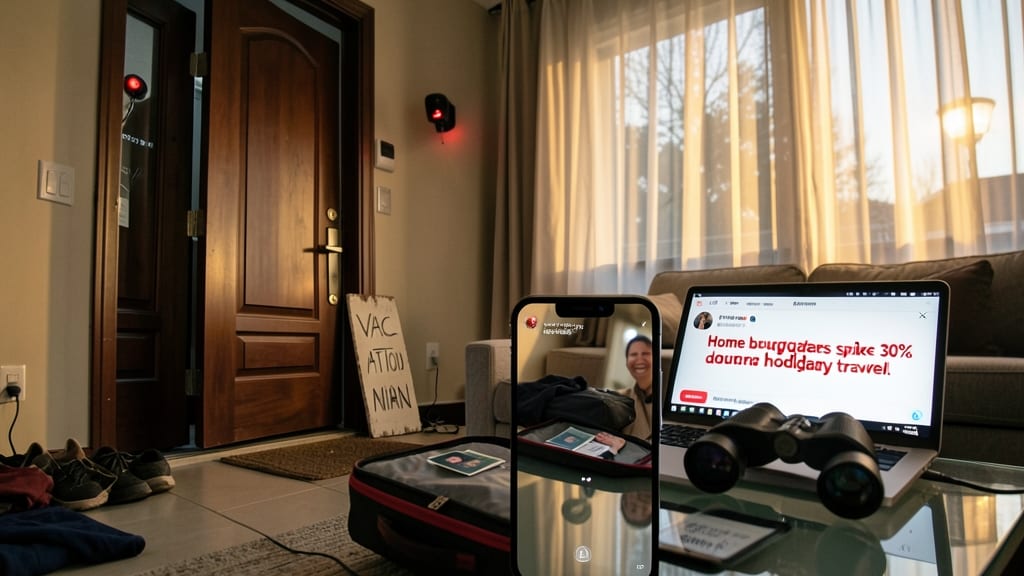
Your "vacation mode" posts might seem harmless, but geo-tagged updates can turn your home into a target. Burglars often scout social media for patterns—like empty houses during trips—to plan invasions when you’re most vulnerable.
Even a single check-in at an airport or a "leaving for work" post gives criminals real-time intel on when to strike. Platforms like Instagram and Facebook default to sharing location data unless you manually disable it, leaving many users exposed without realizing it. A quick privacy audit could save you from a break-in while you’re away.
This risk isn’t just for frequent travelers—routine posts (e.g., "Running errands at 3 PM") can also create predictable routines. Homeowners, renters, and even pet owners should treat location sharing like leaving doors unlocked. 🔧
Phishing Scams Using Private Info
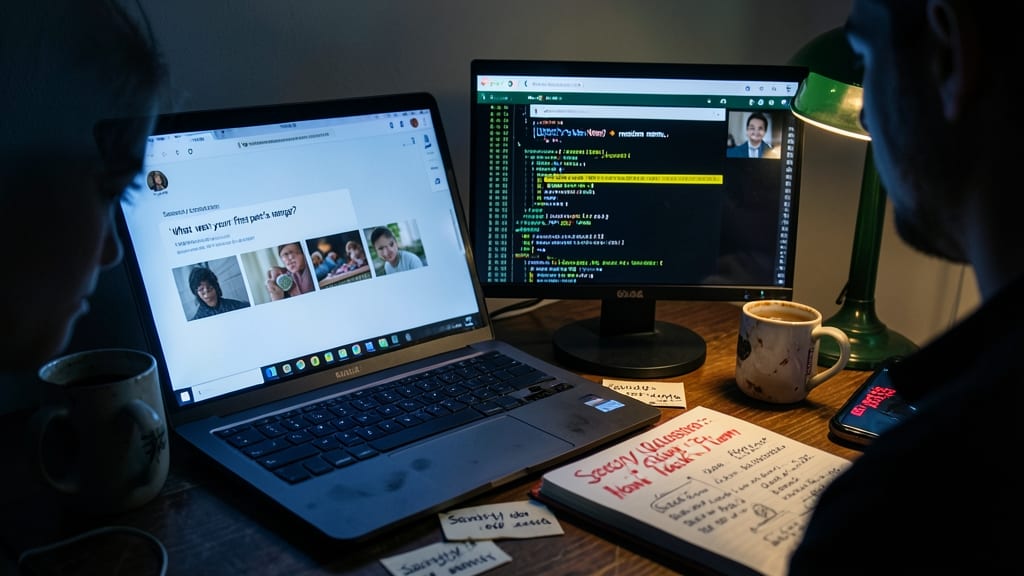
Think your security questions are foolproof? Hackers don’t need to guess—they just look up your answers online. Posting details like your first school, childhood pet, or maiden name turns those "security" questions into easy access points for account takeovers.
Scammers use this info to bypass password resets, especially when platforms like Facebook or banks rely on publicly available answers. A 2023 study found that 60% of security questions could be answered with data from social media alone. Even "hard" questions like "mother’s maiden name" are often shared in throwaway posts or old photos.
This risk isn’t just for tech novices—high-profile targets (CEOs, journalists) have had accounts hijacked this way. The fix? Use randomized answers (e.g., "Red" for "first car") and avoid posting security-related details at all. 💡
Cyberbullying and Online Harassment
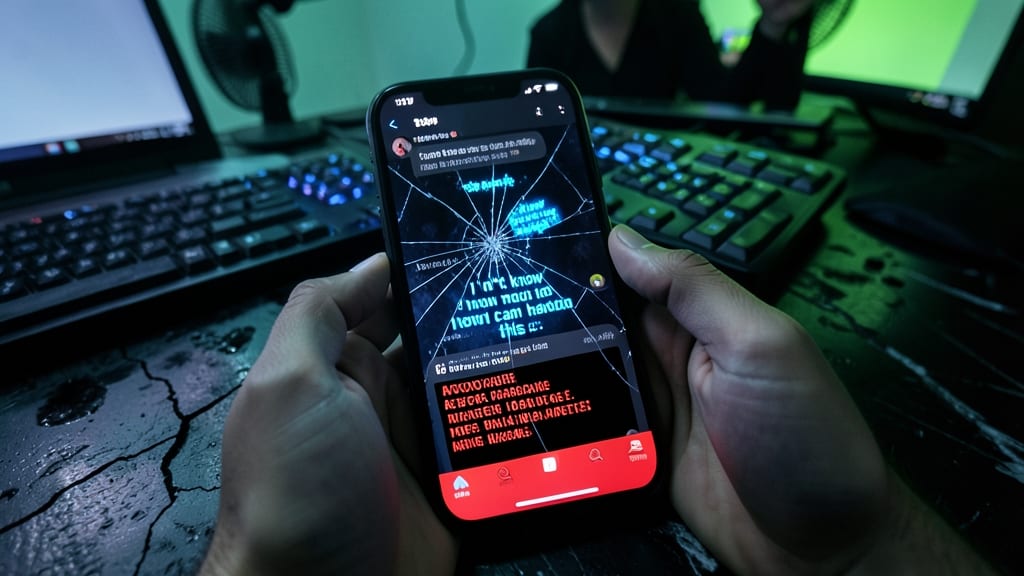
Sharing your deepest struggles or strong opinions online might feel cathartic, but it can also turn your feed into a magnet for targeted harassment. Trolls often lurk in the comments of emotional or polarizing posts, escalating from insults to doxxing—where they dig up your personal details to threaten you offline.
Platforms like Twitter/X and Reddit see harassment spike after controversial takes go viral, while Facebook Groups can become echo chambers for cyberbullying. Studies show that 60% of victims experience real-world consequences, like workplace discrimination or stalking, after online harassment escalates. Even "private" stories on Instagram can be screenshotted and weaponized.
If you must share sensitive topics, use platform-specific privacy tools (e.g., Instagram’s "Close Friends" or Twitter’s "Audience Restrictions") and avoid geotagging. For high-risk discussions, consider anonymous forums like 4chan’s /b/ (with caution) or Discourse communities that enforce moderation. Stay vigilant—your safety isn’t just digital. ✨
Job Loss from Unprofessional Posts
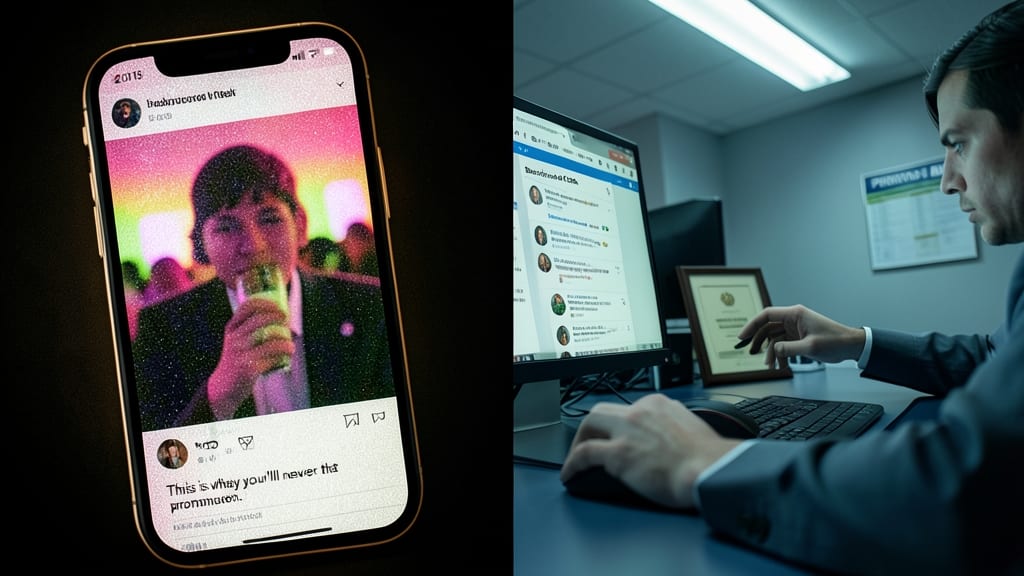
One viral post from years ago could derail your career—even if you’ve moved on. Recruiters and hiring managers routinely search social media during background checks, and a single unprofessional photo, rant, or controversial opinion can cost you promotions, interviews, or even your current job.
LinkedIn’s 2023 Global Talent Trends report found that 70% of recruiters have rejected candidates due to social media content. Whether it’s a drunken party pic, a political rant, or a questionable joke, these posts linger forever in search results. Even if you delete them, screenshots or cached versions can resurface during critical hiring decisions.
Job seekers in competitive fields (tech, finance, law) should audit their profiles annually and adjust privacy settings to limit visibility. A quick fix? Use LinkedIn’s "Profile Visibility" tool to restrict who sees your activity—especially for professionals in high-stakes industries. 💻
Stalking by Ex-Partners or Strangers
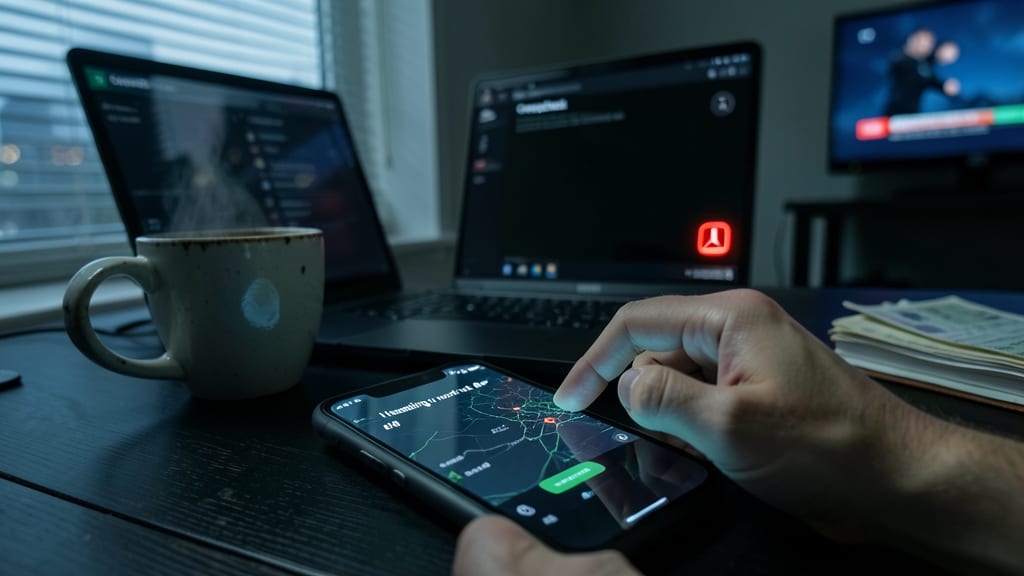
Ever posted your daily routine—like "Heading to work at 8 AM"—only to later feel like you’re being watched? That’s not paranoia: stalking software exists to track patterns from public posts, turning your social media into a predator’s playbook.
Apps like CreepCheck or Social Detective (used by law enforcement) analyze posts for time-based routines, location tags, and relationship details—giving stalkers the perfect script to harass or threaten you offline. Even "harmless" updates like "Out for coffee with Sarah at 10 AM" reveal your schedule to anyone monitoring your profile. The FBI warns that 40% of stalking cases start with digital tracking, often fueled by oversharing.
This risk isn’t just for celebrities—anyone with a public profile is vulnerable. If you’ve ever shared your commute times, pet’s name, or partner’s habits, you’ve given predators a roadmap. Limit posts to broad, vague updates (e.g., "At work") and audit old content for patterns. 💻
Financial Fraud from Lifestyle Posts
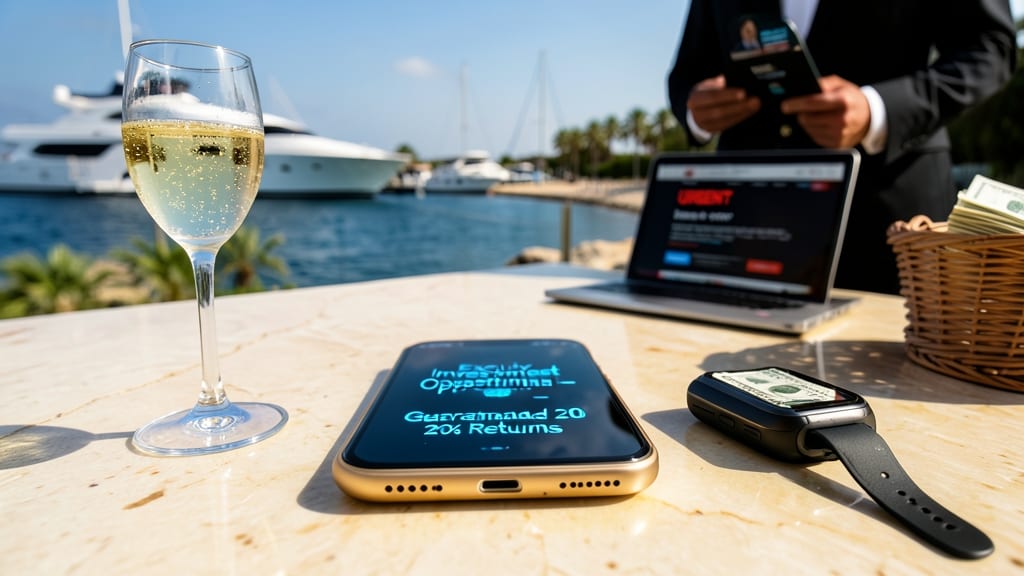
That dreamy vacation photo or flashy new gadget post might seem harmless, but scammers use these as wealth signals to lure you into fake investment schemes or high-interest loan traps. A single post about a luxury purchase can trigger targeted ads for "guaranteed returns" or "exclusive opportunities" that vanish with your money.
Fraudsters often mimic financial advisors or lenders, using DMs or calls to pressure you into quick decisions. The FTC reports that social media scams cost victims an average of $1,500+ per incident, with many losing far more. Even "verified" accounts can be spoofed—always check URLs and avoid sharing financial details in comments.
Small business owners and freelancers are prime targets, but anyone posting about financial success should tighten privacy settings. Limit audience visibility to trusted contacts and enable two-factor authentication on banking apps to add an extra layer of security. 💪
Blackmail and Sextortion Risks
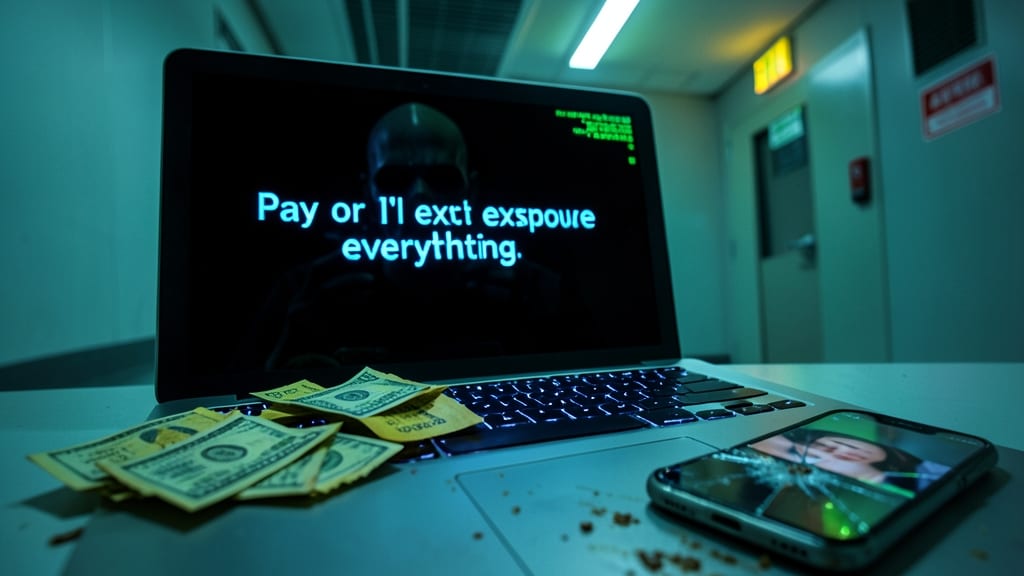
One private message or photo shared in confidence can become a weapon in the wrong hands. Blackmailers and sextortion scammers exploit oversharing by threatening to expose intimate content unless you pay—often demanding hundreds or thousands of dollars in cryptocurrency to stay silent.
The risks escalate when you share explicit content or personal details (like relationship status) with strangers. Scammers use AI tools to deepfake voices or create fake videos, making threats harder to trace. Even "private" DMs can be intercepted if your device is compromised or accounts are hacked.
This threat targets anyone who shares personal content casually—especially teens and young adults—but predators also scour public profiles for leverage. Always verify recipients, use end-to-end encryption (Signal, WhatsApp), and avoid storing sensitive media on cloud services. 💻
Algorithmic Discrimination in Loans
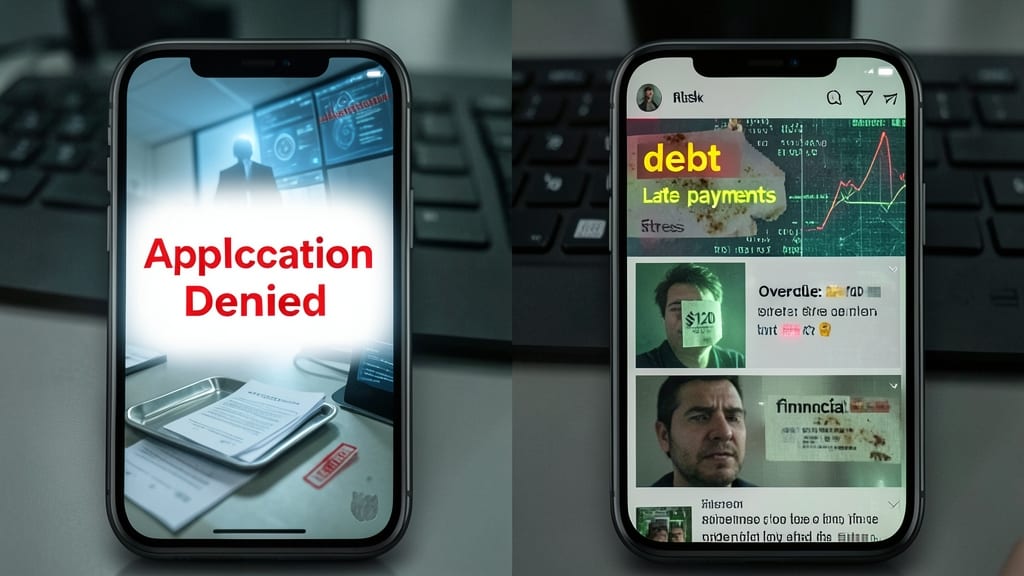
Ever applied for a loan only to be silently rejected—without explanation? Your social media posts might be the reason. Lenders increasingly use AI-driven credit scoring models that analyze public posts for keywords like "debt," "late payments," or even "financial stress," triggering automated denials before you ever see a human underwriter.
Companies like Experian Boost and Zest AI scan profiles for red flags, cross-referencing them with traditional credit reports. A single post about struggling to pay bills could lower your perceived risk profile, while positive financial discussions (e.g., "saving aggressively") might improve your chances. The catch? These algorithms lack transparency—you won’t get a warning or appeal process.
This risk hits hardest for freelancers, gig workers, or anyone with irregular income. Before applying, audit your posts for financial language and adjust privacy settings to limit public exposure. A simple audit could mean the difference between approval and rejection. ✨
Emotional Exploitation by Manipulators
Ever posted about feeling lonely or going through a tough time, only to receive messages from someone who seems too understanding? That’s not a coincidence—it’s a red flag for emotional manipulation. Scammers and narcissists actively scour social media for vulnerabilities like these, using them to build trust before exploiting it for control, financial gain, or even grooming.
Once they’ve hooked you with fake empathy, they may isolate you from friends, pressure you into sending money, or even coerce you into sharing explicit content. Tools like reverse image search (Google Lens) or AI-powered scam detection (e.g., ScamAdviser) can help spot suspicious profiles, but the best defense is avoiding oversharing emotional struggles in the first place.
This tactic targets anyone who’s ever felt vulnerable—whether you’re a student, a single parent, or someone recovering from a breakup. Trust your gut: if a connection feels too fast or too intense, it’s time to step back. 💡