
Software
Microsoft Dynamics NAV remains a top ERP choice for businesses worldwide. Discover seven real-world companies leveraging this powerful platform to streamline operations, reduce costs, and gain competitive advantages in their industries.
Danish Crown Meat Processing Plants
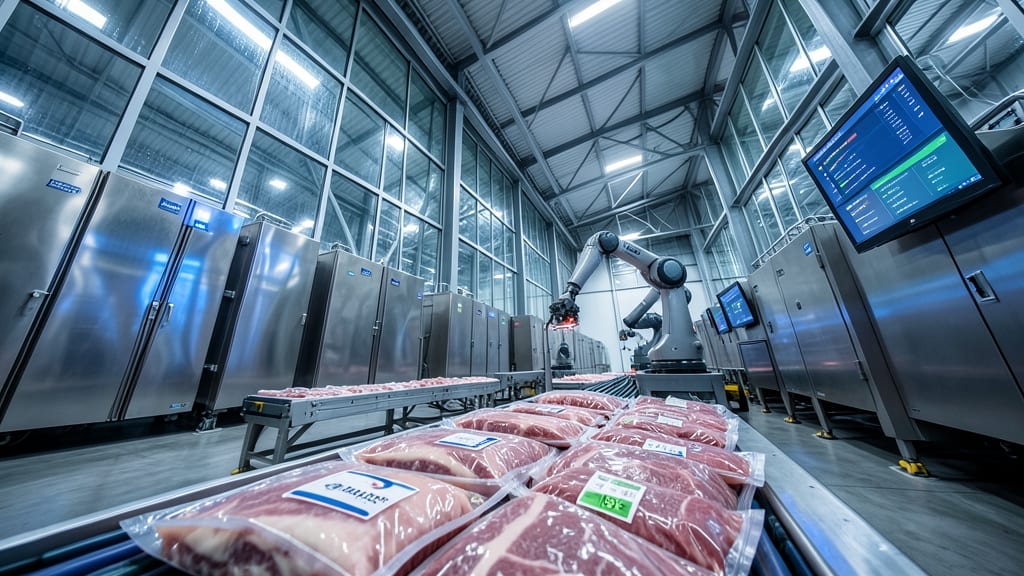
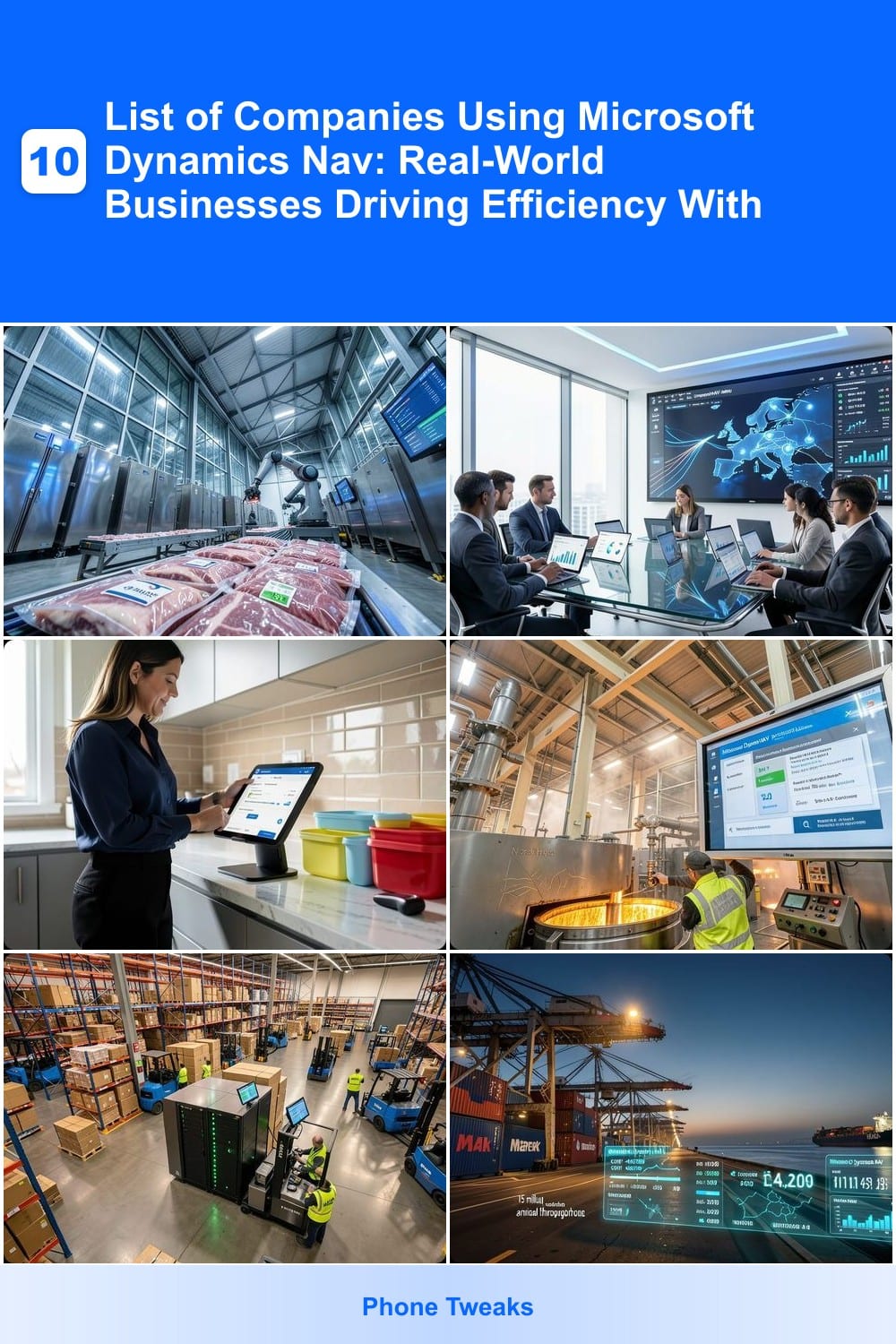
When managing perishable goods across continents, precision isn’t just helpful—it’s essential. Danish Crown, a global leader in meat processing with operations in 12 countries, transformed its supply chain using Microsoft Dynamics NAV to slash inventory costs by 22% while maintaining freshness standards.
The company leveraged NAV’s integrated demand forecasting to align production with real-time market trends, reducing waste from overstocking. By automating warehouse management and supplier coordination, Danish Crown achieved 98% order accuracy—a game-changer for an industry where spoilage costs millions annually. The system’s flexibility also allowed them to adapt to regional regulations effortlessly.
Perfect for businesses with multi-country logistics, NAV’s scalability and industry-specific modules make it ideal for food producers balancing global reach with local compliance. 💪
Coca-Cola European Partners

When managing finances across 14 European countries, Coca-Cola European Partners needed a system that could handle complexity without sacrificing speed. Their solution? Microsoft Dynamics NAV, which transformed their month-end financial close from a week-long headache into a streamlined, automated process.
The ERP platform’s multi-currency automation eliminated manual conversions, while real-time consolidation reduced reconciliation errors by 40%. With 30% faster month-end closing, their finance teams now focus on insights rather than data entry. The system also integrated seamlessly with their existing SAP modules, creating a unified financial workflow.
This implementation is perfect for global beverage brands or any business with multi-country operations needing financial precision and scalability. The results speak for themselves: fewer errors, faster reporting, and a system that grows with their expansion. ✨
Tupperware Brands Global
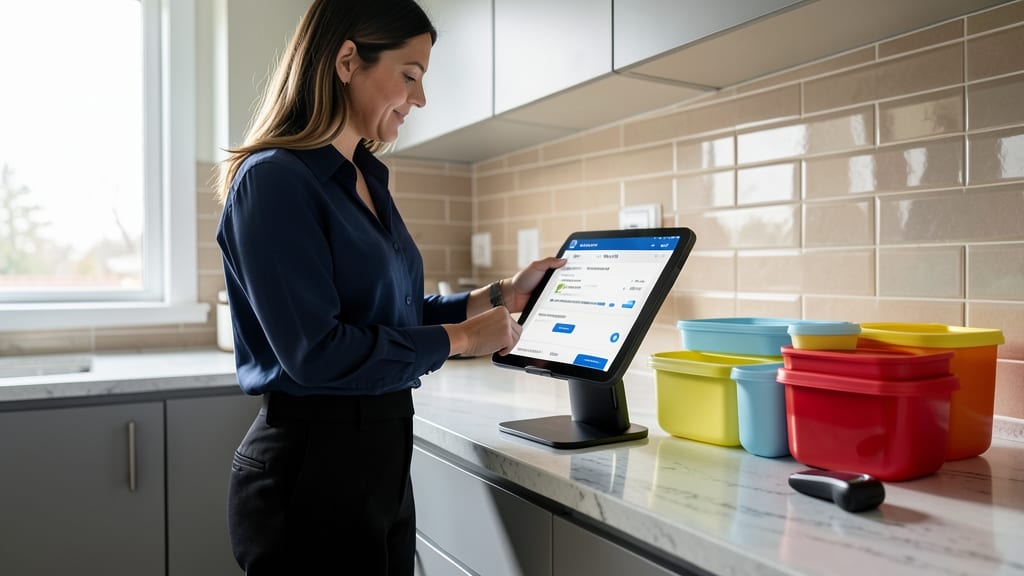
Tupperware Brands Global turned its direct sales model into a tech-powered powerhouse by integrating Microsoft Dynamics NAV with mobile point-of-sale systems. This move eliminated manual order entry errors and created a seamless flow between customer purchases and inventory updates.
The company implemented real-time NAV integrations that sync with mobile devices used by sales consultants, ensuring every order updates instantly across their global network. This 45% boost in order accuracy wasn't just about fewer mistakes—it also accelerated fulfillment times by automating inventory checks and order routing. The solution even handles complex product configurations (like custom container sets) without requiring IT intervention.
Perfect for businesses with distributed sales teams or complex product catalogs, this approach shows how NAV can transform traditional sales models into agile, data-driven operations. ✨
Norsk Hydro Aluminum Production
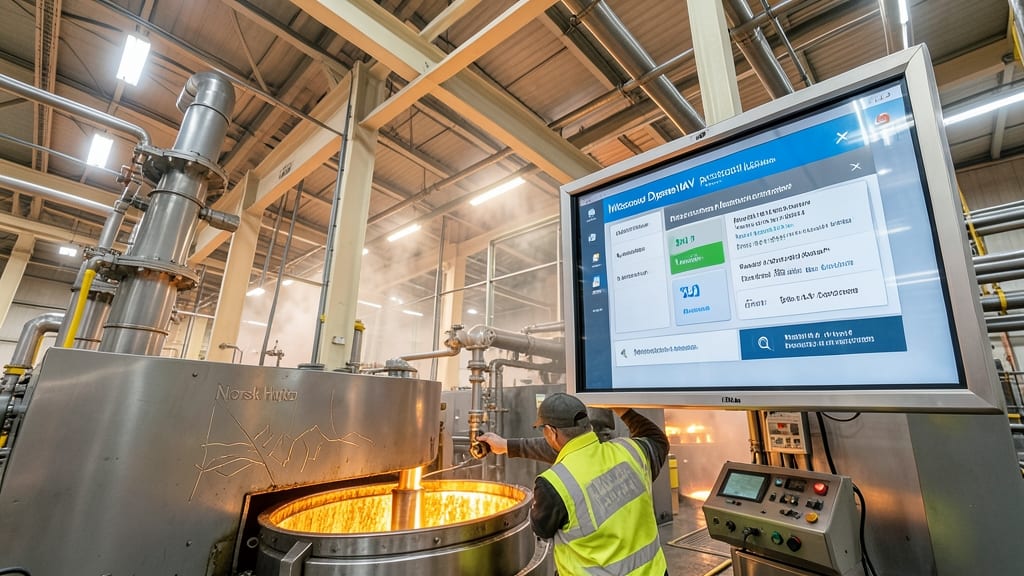
When 18% less downtime means millions saved in a single year, predictive maintenance isn’t just smart—it’s a game-changer. Norsk Hydro, the world’s largest aluminum producer, turned its complex production lines into a zero-surprise operation by integrating Microsoft Dynamics NAV’s maintenance scheduling module with IoT sensors.
The system now predicts equipment failures by analyzing real-time data from high-temperature furnaces and extrusion presses, triggering automated work orders before issues escalate. With role-based dashboards, maintenance teams prioritize critical tasks, while managers track KPIs like mean time between failures (MTBF) in real time. The result? $20M+ in annual savings from avoided production stops.
This setup is ideal for manufacturers with asset-intensive operations where unplanned downtime directly hits the bottom line. ⚡
IKEA Retail Operations
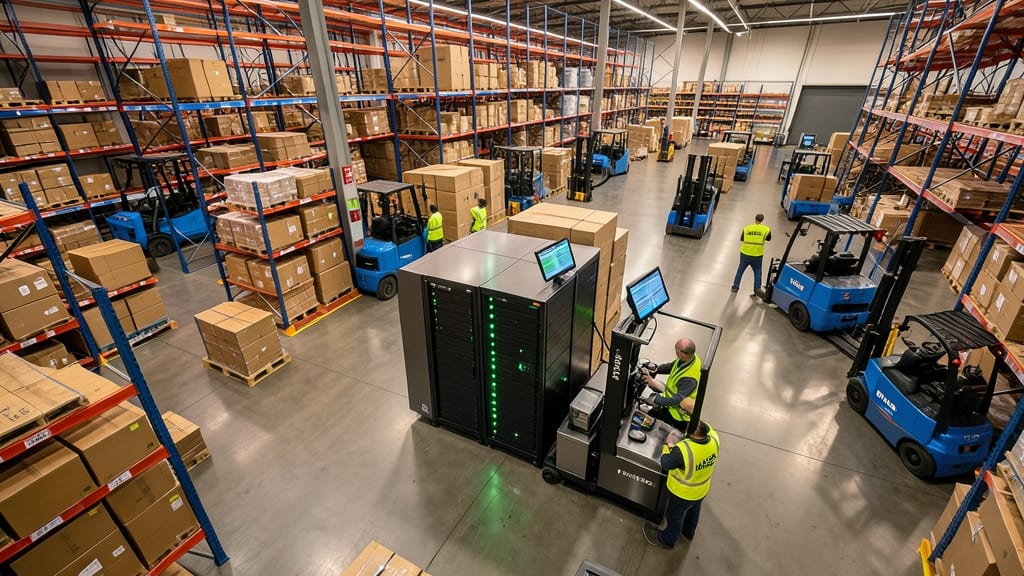
When you think of seamless retail operations, IKEA’s global efficiency stands out—but their backstage magic relies on Microsoft Dynamics NAV powering a multi-channel inventory network across 300+ stores worldwide.
The Swedish giant’s real-time order synchronization between online platforms and physical stores eliminates stock discrepancies, while automated warehouse routing ensures customers get their flat-pack dreams faster. NAV’s inventory dimensioning tracks variants like color/size across SKUs, and mobile warehouse apps let staff scan and fulfill orders in seconds—no more lost shipments or frustrated shoppers.
This setup is perfect for retailers with complex supply chains or brands expanding into e-commerce. With NAV handling the heavy lifting, IKEA proves even the world’s largest furniture retailers can keep inventory lean and customers happy. ✨
A.P. Moller-Maersk Shipping
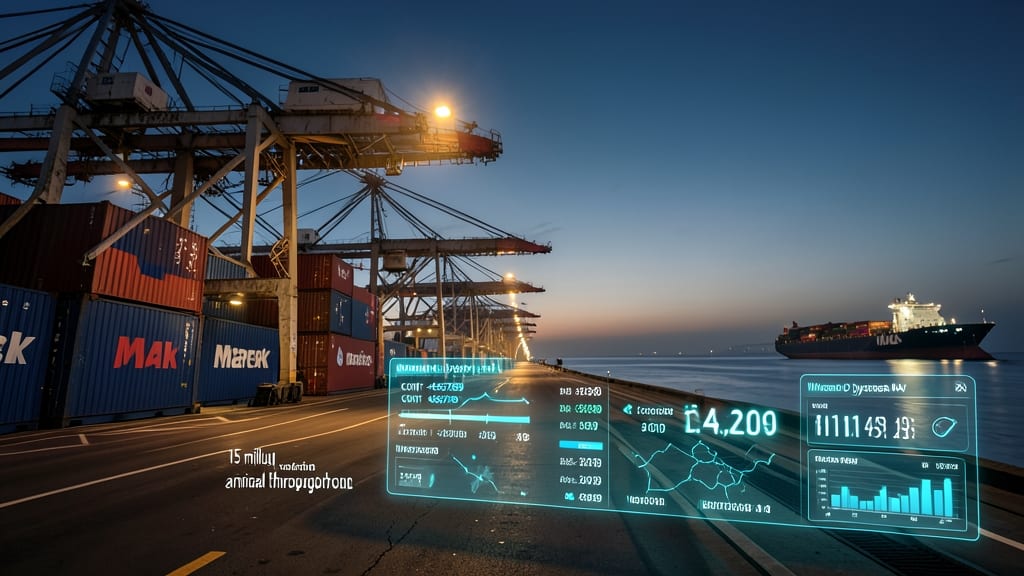
When containers move faster, global trade moves faster—and A.P. Moller-Maersk proves how Microsoft Dynamics NAV turns logistics bottlenecks into smooth operations. As the world’s largest container shipping company, Maersk relies on NAV to track 15 million+ containers annually, ensuring real-time visibility across 135 countries.
The real game-changer? NAV’s automated documentation processing, which slashes port delays by 25% by eliminating manual paperwork. Features like container tracking integrations with global customs systems and AI-driven route optimization ensure compliance while cutting operational costs. Their NAV deployment even syncs with IoT-enabled containers for predictive maintenance alerts.
Ideal for logistics giants and supply chain managers, Maersk’s NAV setup proves how ERP can transform high-volume, high-complexity industries into lean, data-driven operations. ⚡
Siemens Energy Solutions

When renewable energy projects span continents and budgets run into billions, tracking profitability isn’t just about spreadsheets—it’s about real-time precision. That’s where Siemens Energy Solutions turned to Microsoft Dynamics NAV, transforming how they manage project-based accounting across wind farms, solar installations, and hydroelectric plants worldwide.
The company deployed NAV’s project accounting module to consolidate financial data from diverse installations, enabling granular cost tracking by phase, location, and even weather-dependent variables like wind speed. This 35% improvement in profitability tracking wasn’t just about numbers—it meant identifying underperforming sites faster and reallocating resources dynamically. The role-based dashboards ensured engineers and executives saw only the metrics relevant to their roles, cutting through data overload.
Ideal for businesses with multi-site, capital-intensive projects, Siemens Energy’s use case proves NAV isn’t just for manufacturing or retail—it’s a game-changer for industries where every dollar and every kilowatt-hour matters. ✨